
Uttar Pradesh Adopts Tariff for 56 MW of Solar Power Under KUSUM
2026-06-03 · Mercom India
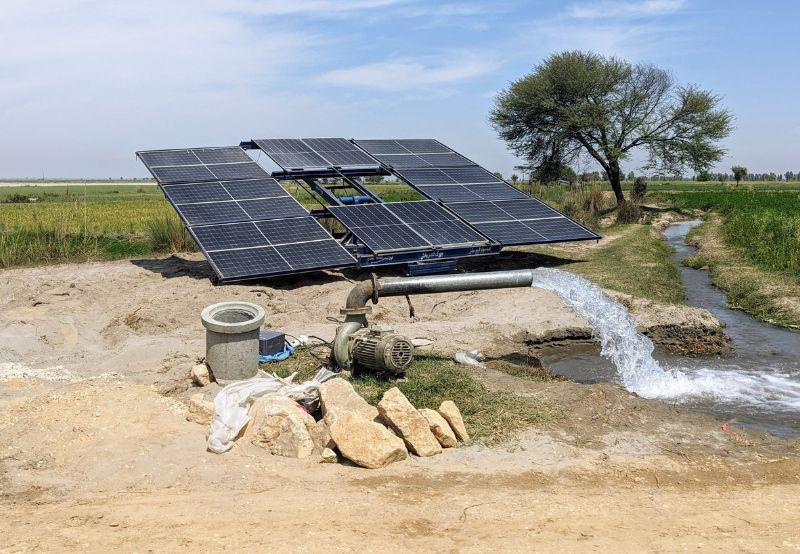
It also approved 28 PPAs signed between the successful bidders and UPPCL
Follow Mercom India on WhatsApp for exclusive updates on clean energy news and insights
The Uttar Pradesh Electricity Regulatory Commission (UPERC) has adopted a tariff of ₹2.98 (~$0.0312)/kWh for the procurement of 56 MW of solar power under Component C2 of the Pradhan Mantri Kisan Urja Suraksha evam Utthaan Mahabhiyan (PM KUSUM) program.
It also approved 28 power purchase agreements (PPAs) signed by the successful bidder, Nacof Oorja (with MKC NOPL Green Energy as the SPV), and the Uttar Pradesh Power Corporation (UPPCL).
The approved projects are linked to feeder-level solarisation of segregated agricultural feeders in Bagpat.
The petition was jointly filed by Uttar Pradesh New & Renewable Energy Development Agency (UPNEDA) and UPPCL, seeking approval of PPAs executed between project developers and UPPCL, as well as the adoption of tariffs.
The petitioners submitted that the Ministry of New and Renewable Energy had issued guidelines for implementing the PM KUSUM program, including Component C for the solarization of grid-connected agricultural pumps at the feeder level.
UPNEDA issued a tender for the procurement of power through a tariff-based competitive bidding process from grid-connected solar projects connected to the identified segregated agricultural feeders.
The tender covered a cumulative capacity of 2.55 GW for the sale of power to UPPCL.
A total of 235 bidders participated in the bidding process, and 153 bidders were selected.
The petitioners stated that successful bidders were issued Letters of Award and that PPAs were subsequently entered into between the bidders and UPPCL.
The Commission referred to its earlier order approving the bidding documents, including the PPAs, with certain deviations, for the procurement of 3.21 GW of solar power under the same program.
Read the full story on the original source. Open source article