
India's Solar Demand to Grow 22% CAGR Through FY35 on Data Centre Push
2026-06-16 · Saur Energy
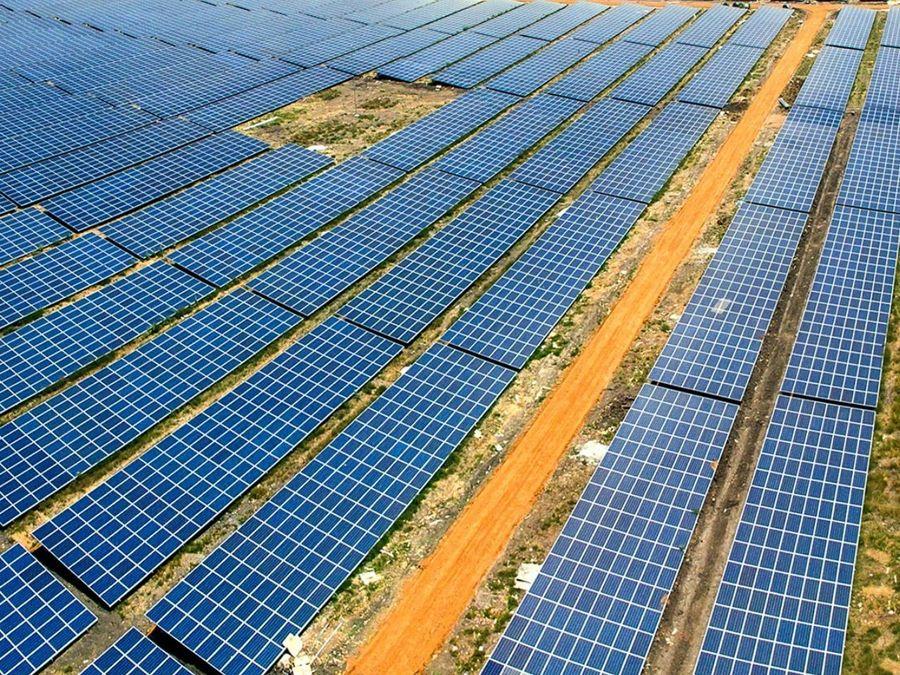
India's solar energy sector is expected to witness rapid expansion over the next decade, with solar power demand projected to grow at a compound annual growth rate (CAGR) of 22% between FY26 and FY35. The growth is expected to significantly outpace the country's overall electricity demand, which is forecast to increase at a CAGR of 6% during the same period.
According to a report by Nuvama, rising urbanisation, industrial activity, manufacturing growth, and widespread electrification will continue to drive power consumption. However, emerging sectors such as data centres and green hydrogen production are expected to become major catalysts for renewable energy demand, particularly solar power.
India's total electricity consumption currently stands at around 1,848 billion units (BU). The report estimates this figure will rise to nearly 3,228 BU by FY35, creating additional demand of more than 1,380 BU over the coming decade.
As renewable energy deployment accelerates, solar power is expected to account for a much larger share of India's electricity consumption.
Under the report's base-case scenario, solar's contribution to total power consumption is projected to rise from 9% in FY26 to 33% by FY35. In a more optimistic scenario, the share could increase to 37%, underscoring solar energy's growing role in meeting India's future electricity needs.
The report also forecasts that solar capacity will dominate future power additions, driven by declining costs, supportive policies, and growing demand for clean electricity.
One of the strongest growth drivers identified in the report is the rapid expansion of India's data centre industry. The rise of artificial intelligence, cloud computing services, and data localisation requirements is accelerating investment in digital infrastructure across the country.
As data centres consume large amounts of electricity, operators are increasingly turning to renewable energy sources to manage operating costs and meet sustainability targets. Electricity typically accounts for 30–40% of a data centre's operating expenses, making access to low-cost renewable power a strategic priority.
The report notes that the growing adoption of advanced AI models, including GPT, Gemini and DeepSeek, is creating unprecedented demand for computing power, which in turn is driving higher electricity consumption.
Nuvama estimates that green hydrogen production facilities and data centres alone could require an additional 251 GW of solar capacity under the base-case scenario by FY35. In a higher-growth scenario, the requirement could increase to as much as 406 GW.
The report describes solar-powered firm and dispatchable renewable energy (FDRE) and round-the-clock (RTC) solutions as critical enablers for these emerging industries, supporting a sustained demand growth trajectory for solar energy.
India's total installed power capacity increased from 382 GW in FY21 to more than 533 GW by FY26, representing a CAGR of around 7%.
Read the full story on the original source. Open source article