
Q1 2026 Sees Broad Cost Increases for Solar Projects Using Chinese Modules
2026-06-03 · Mercom India
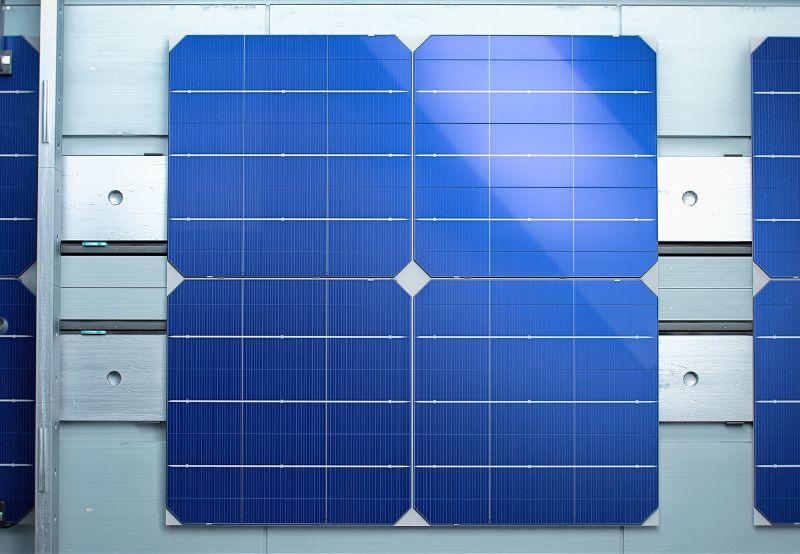
Despite the increase, projects using Chinese modules remained highly price-competitive compared to domestically manufactured modules in India
Follow Mercom India on WhatsApp for exclusive updates on clean energy news and insights
The average system cost of large-scale solar projects showed mixed trends across module technologies during Q1 2026, with Chinese module-based projects recording cost increases, while several Indian and DCR-based configurations remained stable or declined marginally.
System costs increased across all Chinese module technologies in Q1
Projects using Chinese TOPCon modules experienced the sharpest increase, with costs rising 4.2% quarter-over-quarter, driven by higher cell prices and sustained demand for high-efficiency modules. Projects using Chinese mono PERC modules were less affected, with system costs increasing 1.2% during the quarter.
Chinese module prices rose during the quarter following earlier export rebate reductions and the announcement that export rebates would be fully withdrawn effective April
The move created pricing pressure across the global solar supply chain and increased procurement costs for projects sourcing Chinese modules. Even with the increase, Chinese modules continued to maintain a significant price advantage over domestically manufactured modules in India.
Projects using Indian mono PERC modules recorded consistent QoQ declines in system costs during Q1 2026, while projects deploying Indian TOPCon modules saw a marginal increase in costs.
Projects using Indian DCR modules continued to maintain a pricing premium and remained the most expensive configurations across all module technologies. However, project costs for both DCR mono PERC and TOPCon modules declined marginally by 0.7% in Q1 2026.
System cost movements across technologies ranged from a decline of over 0.7% to an increase of 4.2%, highlighting divergent in pricing trends during the quarter. Despite these variations, the overall cost structure remained largely unchanged, with projects using Chinese modules continuing to maintain a clear pricing advantage over Indian and DCR-compliant alternatives.
Chinese mono PERC modules accounted for the lowest share of overall system costs at 40%, reflecting the continued pricing advantage of imported modules supported by large-scale manufacturing capacity, integrated supply chains, and lower procurement costs.
In contrast, Indian TOPCon DCR-compliant modules accounted for the largest share of total system costs at 62%, driven by elevated domestic cell and module prices, limited manufacturing scale, and the additional procurement premium associated with DCR compliance.
Large-scale solar projects deploying Indian mono PERC modules remained a mid-cost configuration in Q1
These projects were 4.2% lower in cost than projects using Indian TOPCon modules, primarily due to lower module prices, while balance-of-system and other soft-cost components remained largely similar bet
Read the full story on the original source. Open source article