
India Needs 10 GWh of BESS to Prevent Renewable Energy Curtailment: Ember
2026-06-17 · Saur Energy
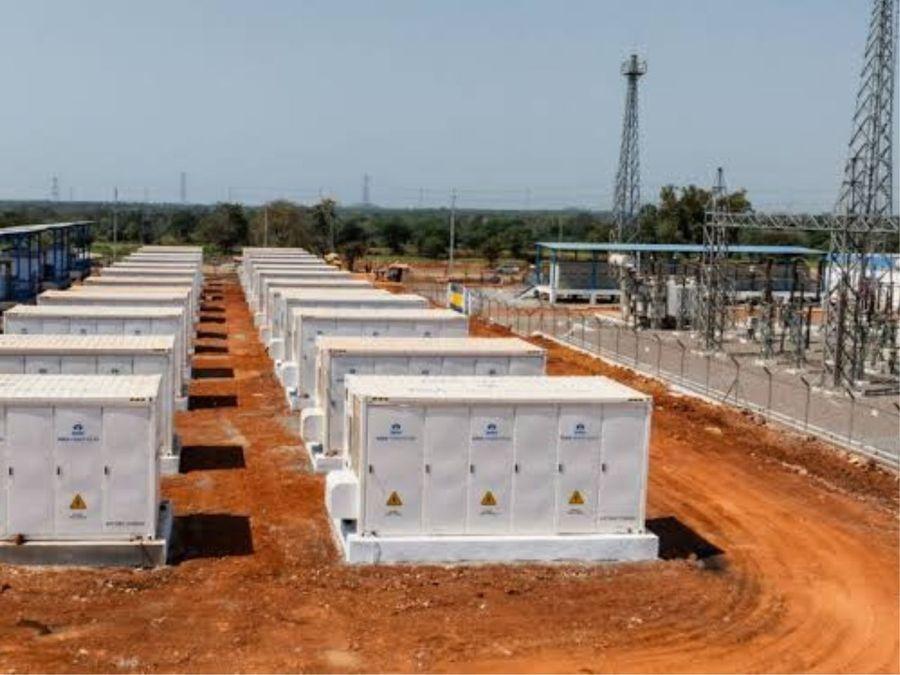
India Needs 10 GWh of BESS to Prevent Renewable Energy Curtailment: Ember Photograph: (Archive)
India needs around 10 GWh of battery energy storage capacity immediately to prevent renewable energy curtailment caused by the operational limitations of coal-fired power plants, according to a new analysis by energy think tank Ember.
The report estimates that India curtailed nearly 2.1 TWh of renewable energy during FY26 because coal-fired generating units could not reduce output below their minimum technical load (MTL), forcing grid operators to cut solar and wind generation despite available clean power.
According to Ember, the curtailed renewable generation was equivalent to around 1.3% of India's total renewable electricity output during the year. The analysis suggests that a battery fleet of around 10 GWh, charged during periods of peak solar generation, would have been sufficient to absorb the excess power and avoid the curtailment.
"Solar and wind curtailment is becoming a visible part of India's real-time grid balancing, and the volumes are already noticeable and rising," said Neshwin Rodrigues, Senior Energy Analyst at Ember and author of the report. "Without sufficient flexibility, including storage, this could become a constraint on the next phase of renewable energy growth," he added.
The report highlights how India's rapidly expanding solar fleet is placing growing pressure on a power system that still relies heavily on coal for flexibility and reserve services. As solar generation peaks during the middle of the day, coal plants are increasingly being forced to ramp down to their lowest operating levels before ramping back up in the evening when solar output declines.
On March 6, 2026, solar and wind together accounted for 41% of India's generation mix during midday hours, forcing coal generation to fall by nearly 49 GW within six hours before climbing by 51 GW later in the day as renewable output dropped, according to the report. "Coal was built for sustained high output, not this daily deep cycling," Rodrigues said.
The study found that once coal plants reach their minimum technical load—typically around 55% of rated capacity—they lose the ability to provide additional downward flexibility. As a result, renewable generation must be curtailed to keep thermal units operating safely.
By April 2026, coal plants were breaching their minimum operating threshold in more than half of all midday dispatch intervals, the report noted. During the month, renewable energy curtailment accounted for 37% of all down-regulation requirements, compared with almost zero a year earlier.
"This is curtailment required purely to keep coal plants at their MTL," Rodrigues said. "Before the system even considers reserve requirements or grid constraints, renewable generation is being cut simply to make space for coal to remain operable. The constraint is structural."
The report comes as India's solar capacity continues to expand rapidly. The country added
Read the full story on the original source. Open source article